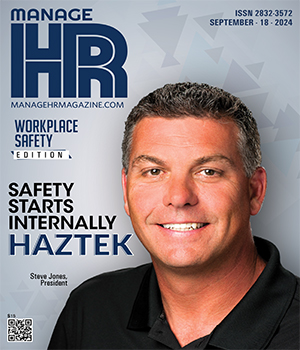
HazTek: Safety Starts Internally

Top 10 Workplace Safety Services Providers - 2024

Creating a safety-first culture isn’t just a policy; it is a powerful commitment to an organization’s workforce and success. A safety-first mindset prioritizes employee well-being, significantly reducing accidents, injuries, and associated costs. Critical elements of a safety culture include leadership commitment, resource allocation, and employee empowerment, among others.

To foster a safety culture, organizations must clear expectations, lead by example, recognize and reward safe practices, integrate safety into daily operations, monitor and measure safety performance, and leverage technology. Safety Management Systems (SMS) can streamline safety reporting, incident tracking, and compliance management. Wearable technology, virtual reality (VR) training and mobile apps can enhance communication and provide real-time hazard reporting.

Technology can significantly enhance the effectiveness of a safety culture. SMS, wearable technology, VR training, and mobile apps offer real-time data and analytics to support proactive safety management, enhance training experiences, and provide instant access to safety resources. By fostering a safety culture, organizations can protect their most valuable asset—employees—boost overall productivity, enhance employee morale, and improve organizational reputation.

This edition on Workplace Safety 2024 features HazTek and explores how services providers are indispensable partners in the quest for a secure and productive work environment. The magazine also includes valuable perspectives from Bridget Hawkins, director of HR compliance and employee relations at Hood Container and Rick Hellinga, CSP, ASP, senior director of safety, health & loss prevention at Simmons Foods, Inc.

As the business landscape continues to evolve, the role of these providers will become increasingly vital in shaping a future where safety is not just a priority but a fundamental aspect of organizational culture and success. We hope these valuable insights from industry leaders featured in this edition will assist you in making informed decisions for your businesses.

Let us know your thoughts.  
    Top Workplace Safety Services Providers

    HazTek is an independent environmental health and safety consulting company committed to promoting workplace safety. The company protects individuals and properties from potential on-site incidents by implementing comprehensive educational programs, meticulous guidance, sustained motivation, and positive reinforcement strategies. ... read full profile
    SafeSource leads the provision of comprehensive workplace safety solutions. Focusing on tailored safety solutions, regulatory compliance and strategic initiatives, it creates a culture of safety that improves productivity and fosters a safe work environment. ... read full profile
    Amerisafe Group
    Amerisafe Group specializes in workplace safety and occupational health services. They offer comprehensive site safety assessments, medical services, confined space rescue, and safety management systems. Their expertise spans industries including oil & gas, renewable energy, and steel. The company provides tailored safety training and perception surveys to enhance safety culture and compliance.
    Core Safety
    Core Safety provides comprehensive safety consulting, staffing, and OSHA training services across various industries, including construction, oil & gas, and manufacturing. The company offers nationwide support for OSHA compliance, safety management, and ongoing safety needs, delivering tailored solutions to protect workers and ensure regulatory adherence. Their services range from one-time to full-time support.
    Diversified Safety Services
    Diversified Safety Services is a full-service occupational safety and health consulting firm offering safety consulting, staffing, and training. They provide comprehensive solutions, including OSHA compliance, risk assessments, and safety program development. With a focus on proactive hazard identification and flexible staffing, the company supports organizations of all sizes in maintaining a robust safety culture and meeting regulatory requirements.
    Empowerment Ergonomics
    Empowerment Ergonomics specializes in ergonomic assessments, accessibility solutions, and wellness programs for businesses. Originally launched by registered occupational therapists, the company now offers comprehensive work enhancement consultations, helping regional employers improve workplace safety and performance. Their custom metrics and proactive assessments support clients in achieving high safety ratings and optimized work environments.
    Safetyhub
    Safetyhub provides online safety training through a comprehensive video library and learning management system (LMS). They offer customizable safety courses, on-demand learning, and robust reporting tools. The company provides a platform which supports diverse training needs with high-quality video content, available in multiple languages, and integrates seamlessly with existing LMS systems to enhance workplace safety training.
    Safety Resources
    Safety Resources offers comprehensive workplace safety solutions, including consulting, staffing, and OSHA training. They provide tailored safety management systems and on-site project safety expertise across various industries, such as construction and manufacturing. Certified and accredited, the company delivers customized safety programs to enhance regulatory compliance and risk management for their clients.
    Safety Services Company
    Safety Services Company specializes in managing contractor compliance with third-party prequalification platforms like ISNetworld®, Avetta®, and Veriforce®. They streamline safety and regulatory requirements for clients, ensuring compliance and improving safety scores. Offering services such as contractor management, safety solutions, and audit preparation, they provide dedicated support to enhance clients’ safety and compliance performance.
    Smart Safety Group
    Smart Safety Group provides comprehensive safety solutions including program management, training, and audits. They enhance workplace safety by offering expert safety staffing and ensuring OSHA compliance for various industries. Their goal is to reduce incidents, lower insurance costs, and strengthen safety cultures, protecting employees and improving operational efficiency.

Workplace Safety Info

Q1
What Do Top Workplace Safety Solutions Help Organizations Achieve?
Top Workplace Safety Solutions help organizations reduce operational risk, improve compliance consistency and create safer working environments across industrial, corporate and field operations. Most programs combine workplace safety training, hazard identification, incident reporting, compliance oversight and workforce education to support safer daily routines. In sectors such as manufacturing, logistics, construction and healthcare, safety expectations are often tied directly to operational continuity and workforce accountability. Even smaller process gaps can create broader disruptions if safety standards are not maintained consistently. Many workplace safety providers now work closely with employers to standardize procedures across locations while improving employee participation and reporting visibility. Industry conversations featured across the Manage HR Magazine landscape also reflect how workplace safety is increasingly connected to retention, workforce stability and long-term business resilience rather than compliance alone.
Q2
Why Do Top Workplace Safety Solutions Matter More Today?
Top Workplace Safety Solutions have become more important because organizations are managing more complex workforce environments than they were a few years ago. Workplace safety is no longer limited to annual compliance sessions or post-incident reporting. Many companies are investing in ongoing safety management solutions, digital reporting systems and preventive workplace safety training designed to reduce incidents before they happen. Mental health awareness, labor shortages and rising expectations around employer responsibility are also shaping how organizations approach safety programs. In some industries, employee expectations around workplace conditions have shifted just as quickly as regulatory requirements themselves. Recent workplace safety discussions have focused heavily on employee engagement, real-time reporting and technology-supported safety culture initiatives that integrate more directly into workforce management strategies.
Q3
How Should Organizations Evaluate Workplace Safety Providers?
Organizations evaluating workplace safety providers should focus first on industry expertise and practical implementation capability. Safety requirements vary widely between industries. A program designed for corporate office environments may not translate effectively into manufacturing plants, construction sites or healthcare facilities where operational risks are very different. Many enterprises also evaluate reporting visibility, compliance support and scalability across multiple locations before selecting workplace safety vendors. Training quality matters too, particularly when organizations need programs employees can apply consistently in real working conditions instead of treating them as one-time compliance exercises. The strongest workplace safety companies generally combine consulting, training and risk management support into systems that remain usable after implementation rather than relying only on policy documentation or generic safety modules.
Q4
What Business Value Do Top Workplace Safety Solutions Deliver?
Top Workplace Safety Solutions can reduce operational disruption, lower injury-related expenses and strengthen employee confidence in workplace conditions. Organizations with stronger safety cultures often experience fewer interruptions tied to incidents, investigations or workforce turnover. In high-risk sectors, safety management can directly affect productivity, insurance costs and project continuity. The business value extends beyond compliance reporting. Companies that integrate safety management solutions into everyday workflows often build more consistent operational habits over time. That consistency can influence retention, workforce trust and long-term performance stability. For many employers, workplace safety has gradually become part of broader workforce management strategy rather than an isolated compliance responsibility handled separately from operations.
Q5
How Are Technology and Innovation Shaping Workplace Safety Solutions?
Technology is changing how workplace safety solutions are delivered and monitored across different industries. Many workplace safety companies now use mobile reporting systems, digital compliance platforms, learning management tools and wearable monitoring devices to improve visibility into daily safety conditions. Online workplace safety training and multilingual learning support have also become more common as organizations manage distributed and multilingual workforces. Some providers are introducing analytics tools that help identify recurring hazards and improve preventive action planning before larger incidents occur. Virtual reality training, ergonomic assessment systems and automated incident tracking are also receiving more attention in industries where hands-on preparation matters significantly. The broader shift is moving organizations away from reactive compliance models toward more continuous safety management practices.
Q6
What Should Decision-Makers Prioritize When Comparing Top Workplace Safety Solutions?
Decision-makers comparing Top Workplace Safety Solutions should focus on long-term usability and measurable safety outcomes instead of broad service lists alone. The most effective workplace safety providers usually align training, compliance support and workforce engagement with the realities of the organization’s operating environment. Generic programs often struggle to maintain participation once implementation pressure fades. Organizations should also evaluate responsiveness, regulatory expertise and ongoing implementation support before making long-term commitments. Industry alignment matters because hazard exposure, reporting standards and safety expectations vary substantially between sectors. Many employers benefit most from workplace safety vendors that combine education, audits, compliance guidance and digital tools into systems employees and managers can realistically maintain over time.
Take Me Top